
When I traveled to Iran in 2018 while leading tours, I had no idea that this destination would leave such a profound impact on me. Even now, years later, it remains one of the most unforgettable places I have ever explored. As I sat down to write about my time in Iran, I quickly realized that a single article wouldn’t do justice to its rich history and deep cultural significance. So, here’s part one of a three-part series on my experience in Ancient Persia—or as we know it today, Iran.
As a traveler and a lifelong student of the world, I’ve had experiences that have shifted my perspective forever. Iran was one of those places. Weeks before my trip, my excitement grew, and the history buff in me went into overdrive. I dove deep into research, eager to understand the rise, power, and eventual fall of one of the greatest empires the world has ever seen—The Persian Empire.
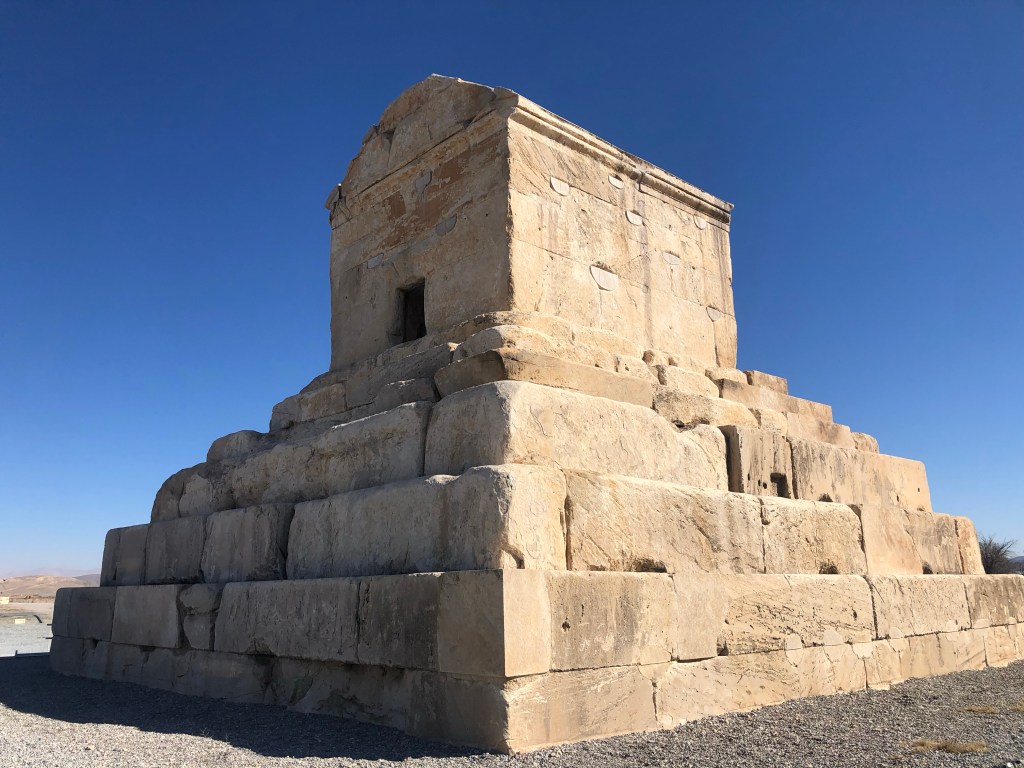
The Persian Empire, also known as the Achaemenid Empire, emerged as a dominant force in the 6th century BCE under Cyrus the Great. He was more than just a conqueror—he was a visionary leader who united the Persian tribes and led a rebellion against the Median Empire, ruled by his grandfather, Astyages. With strategic military campaigns, Cyrus expanded Persian influence, taking Lydia in 546 BCE and Babylon in 539 BCE. But what truly set him apart was his approach to leadership. Rather than ruling with an iron fist, he embraced tolerance, allowing conquered peoples to retain their customs and religions. His rule laid the foundation for an empire that would thrive for centuries.
Then came Darius I, or Darius the Great, who took the empire to new heights. Under his reign, Persia stretched from the Indus River to the Aegean Sea, encompassing a vast and diverse population. To govern effectively, he introduced administrative reforms, dividing the empire into provinces known as satrapies, each overseen by a governor. Infrastructure flourished—roads and canals were built to improve trade and communication, and the Persian military remained a formidable force. Despite its strength, however, no empire lasts forever. Internal struggles and external pressures weakened its foundation, and in 331 BCE, Alexander the Great conquered Persia, marking the end of an era.
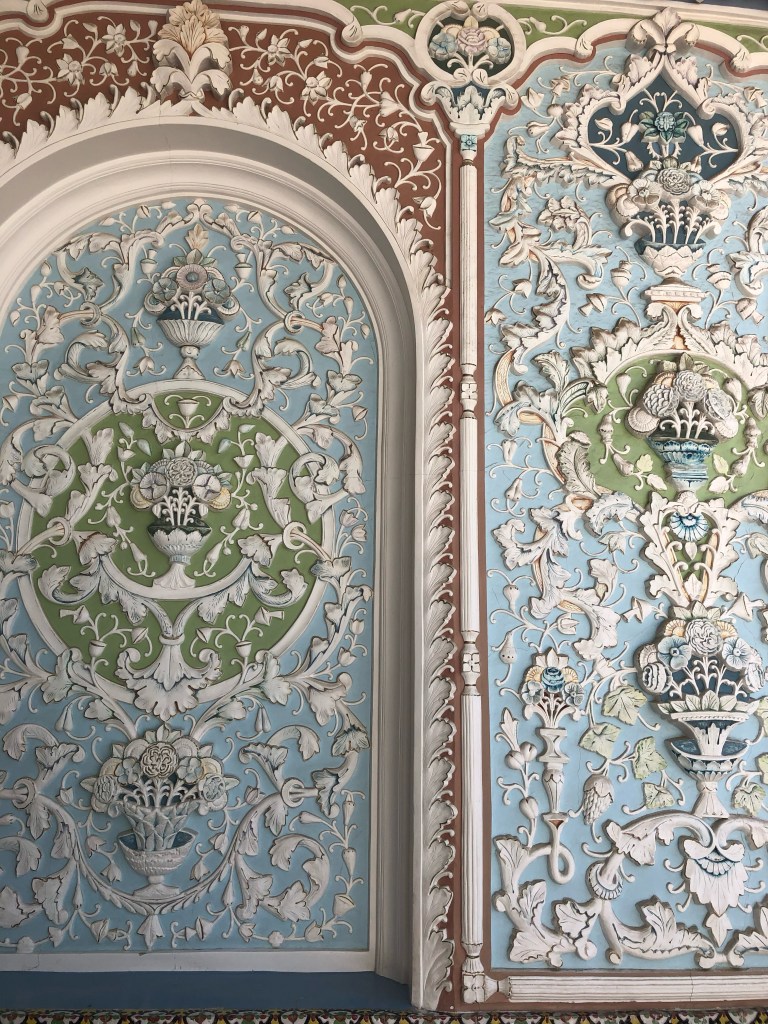
For centuries, the Western world referred to this land as Persia, a name derived from the region of Parsa (modern-day Fars province). However, internally, its people had always called it Iran, meaning “Land of the Aryans.” This distinction remained until 1935, when Reza Shah Pahlavi, the ruling monarch, made a formal request for international recognition of the name “Iran” in diplomatic and official communications. The announcement was made during Nowruz, the Persian New Year, symbolizing both a return to ancient roots and a step toward modernity.

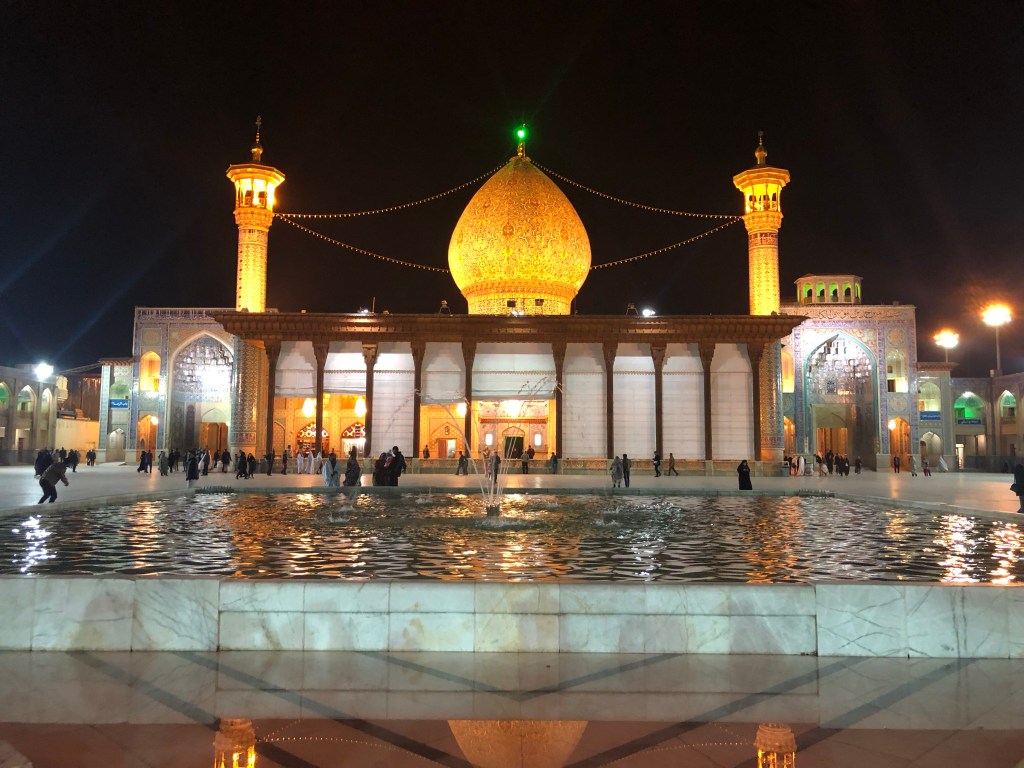
Reza Shah’s decision wasn’t just about semantics—it carried political and cultural weight. It was a declaration of Iran’s independence from colonial narratives and a reaffirmation of its national identity. While “Persia” still evokes the grandeur of the ancient empire, Iran stands as the modern representation of this deeply historical land.
While modern Iran, officially known as the Islamic Republic of Iran, differs significantly from its ancient counterpart, echoes of the Persian Empire still resonate throughout the country. Religion is one of the most defining differences—Ancient Persia was predominantly Zoroastrian, a faith centered on the cosmic battle between good and evil. Today, Shia Islam dominates, having been established as the state religion after the 1979 Islamic Revolution.


Politically, Persia was ruled by powerful dynasties—the Achaemenids, Parthians, and Sasanians—who governed through centralized monarchies. Modern Iran, however, operates as a theocratic republic, where religious leaders hold significant power alongside elected officials. Despite these differences, the Persian legacy remains strong, influencing everything from art and architecture to language and literature. Persepolis, the grand ceremonial capital of the Achaemenid Empire, still stands as a testament to its former glory, while Persian poetry and philosophy continue to shape Iranian culture.
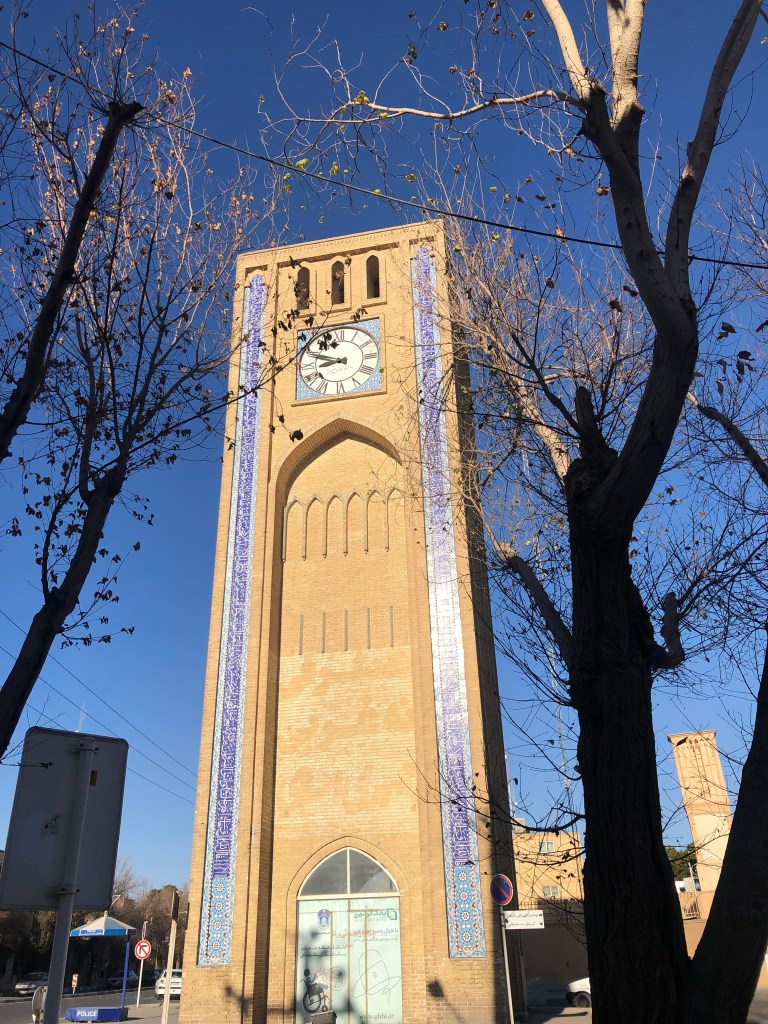
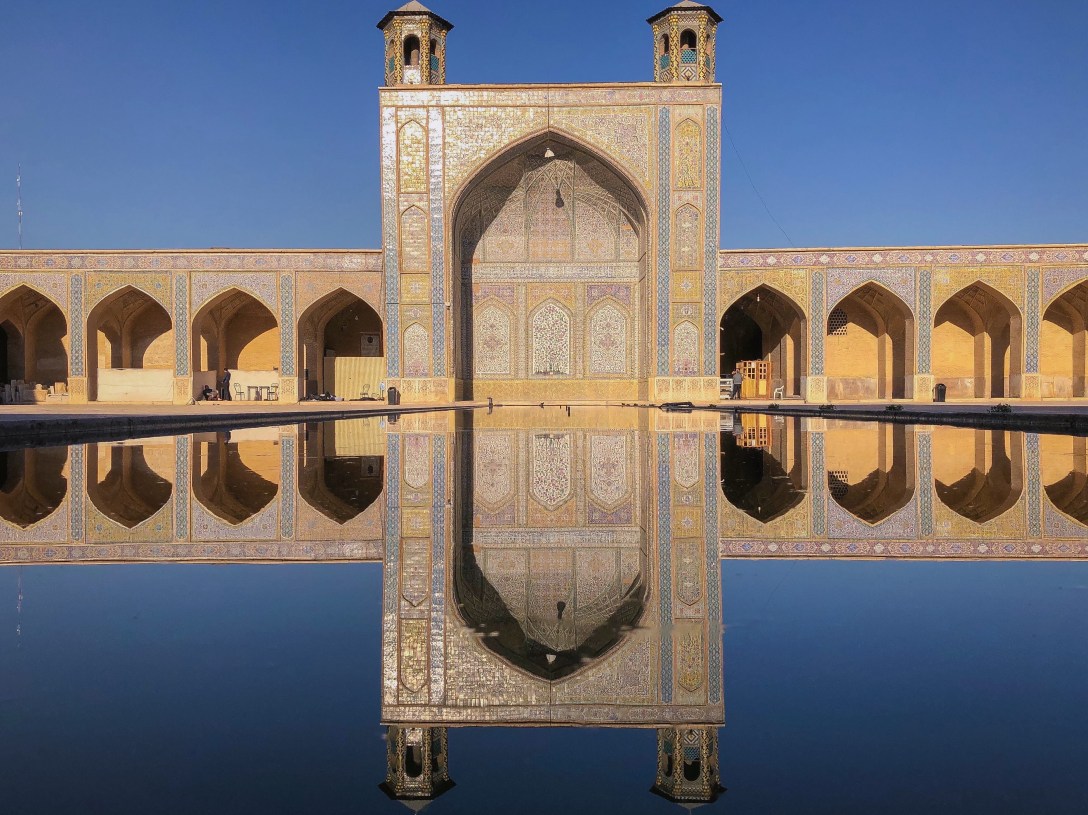
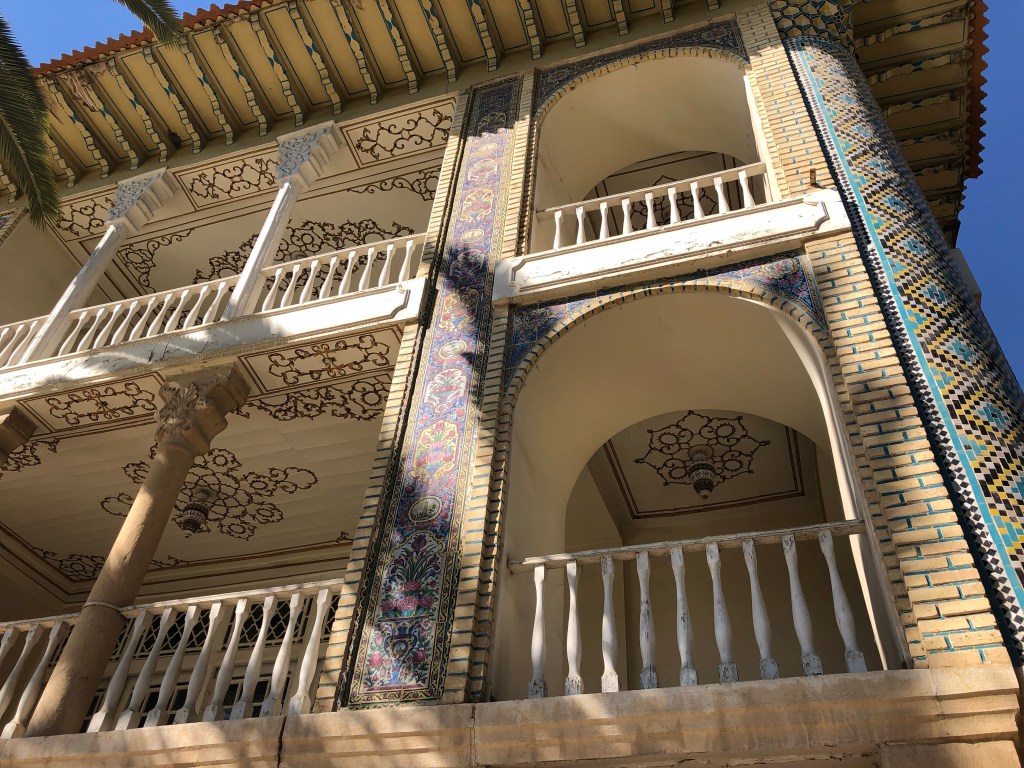
Enough geeking out on history for now. Stepping into Iran for the first time was surreal. From the intricate mosques to the ancient monasteries and architectural marvels, every moment felt like stepping through a portal into history. The warmth and hospitality of the people made it even more special. Iran was unlike anywhere I had ever been before.

And this is just the beginning. Stay tuned for Part Two, where I’ll take you deeper into my travels through this extraordinary land.
 Hilary Travels