This post is NOT for the faint hearted.
Traveling is said to heal the soul, expand creativity, learn, discover, challenge oneself, inspire and motivate, amongst many other things. Perceptively, I feel traveling is all about making a decision to educate oneself. Hence, in May 2017, I found myself discovering the dark history behind Cambodia. Situated in Phnom Penh, the capital of Cambodia, I gravitated myself to join the day tour for these two infamous grounds: Tuol Sleng Genocide Museum and the Killing Fields.
Filled with tremendous recent dark history, it wasn’t the easiest to visit. This isn’t your conventional vacation where you take many pretty pictures to flaunt online. These places are about pain; real, raw and true suffering that human beings like you and I faced. These places are about reflecting life, accepting past misgivings of others, empathy, forgiveness, strength and most of all; love for all humanity. I lost count of the moments I cried whenever I revisit my memories of these places when I was in Phnom Penh.
Penning down my private thoughts on my experience there was emotional. But to actually look at all the pictures I took, combine them into an article and share with the world, it was excruciating. But it had to be done. It all started with a USD$15 full-day bus tour to both sites, with an additional USD$3 each for a guided tour and audio guide in each location. And yes, I knew what I was getting into. I came here to cry.
Warning: Graphic photos ahead.
Tuol Sleng Genocide Museum
Otherwise known as the “Security Prison 21 (S21 Prison)”, this site used to be a high school converted to a torture facility during the Khmer Rouge (between 1975-1979) led by Pol Pot (1925-1998). An estimated of 20, 000 people were enslaved in this very facility between 1976 and 1979. The real numbers were unknown. Apart from local Cambodians, 488 Vietnamese, 31 Thai, one Laotian, one Arab, one British, four French, two Americans, one Canadian, one New Zealander, two Australians, one Indonesian, many Indians and Pakistanis were also imprisoned.
The torture system at Tuol Sleng was designed to make prisoners confess to any crimes they were charged with. According to my guide, she said they were usually forced to confess involvement with the CIA or FBI even if they were merely children. Prisoners were routinely beaten and tortured with electric shocks, searing hot metal instruments and hanging, as well as through the use of various other devices. Some prisoners were cut with knives or suffocated with plastic bags. Communist believed that babies are a threat of revenge for the next generation, hence they slaughter newborns too. None of the women and children were spared. My local guide was one of the survivors during this time of terror, she was only thirteen. Till this date, she had no answer as to where her father and brothers were. She could only assume that they were gone too. Life was worse than death here.
I’ll let the pictures depict the horrors from hereon:

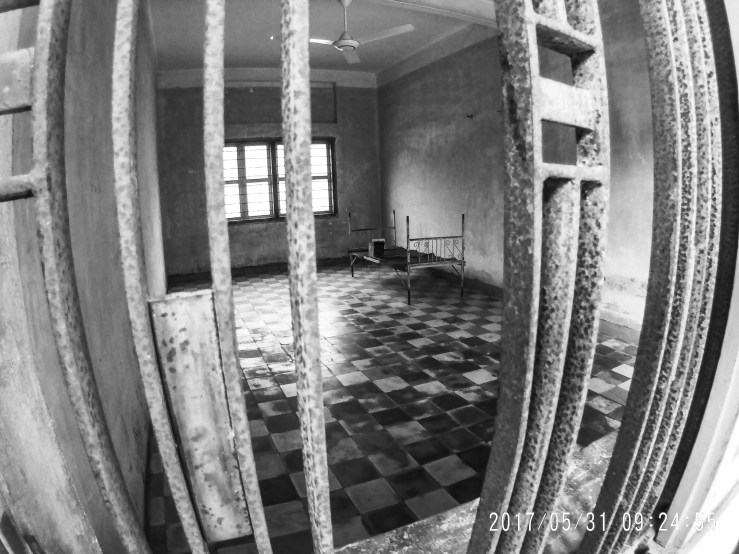
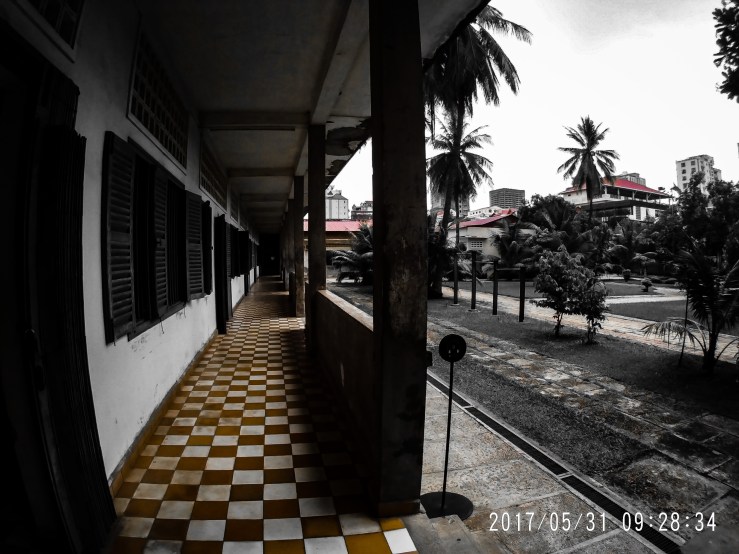
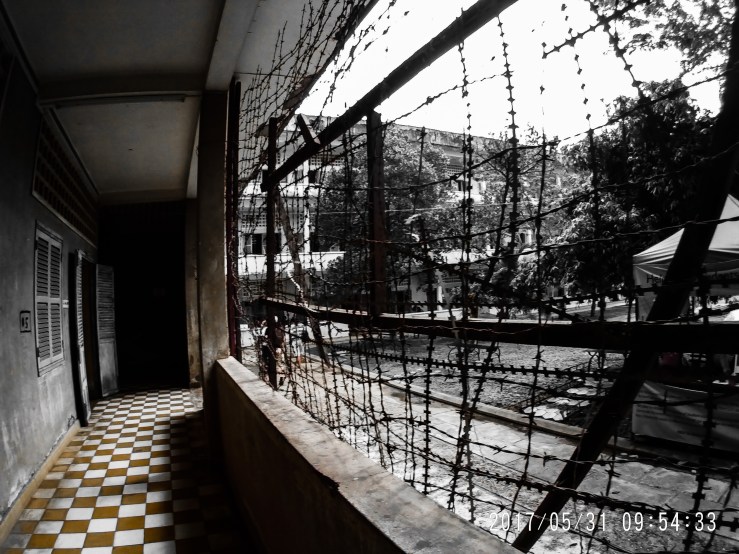
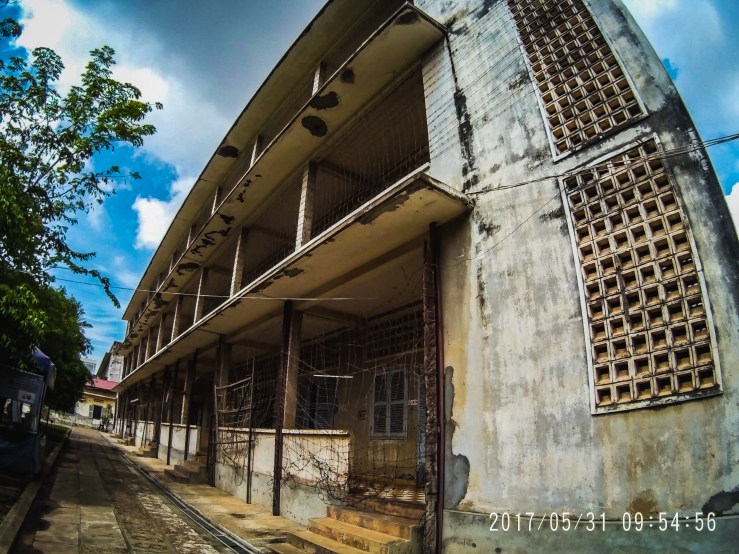
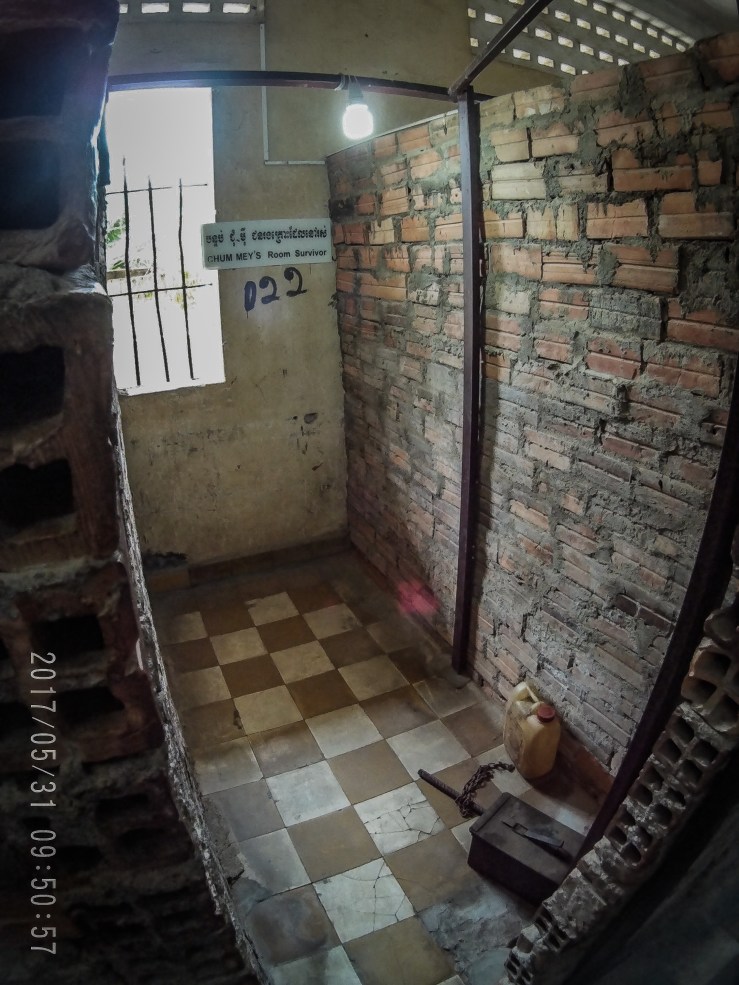
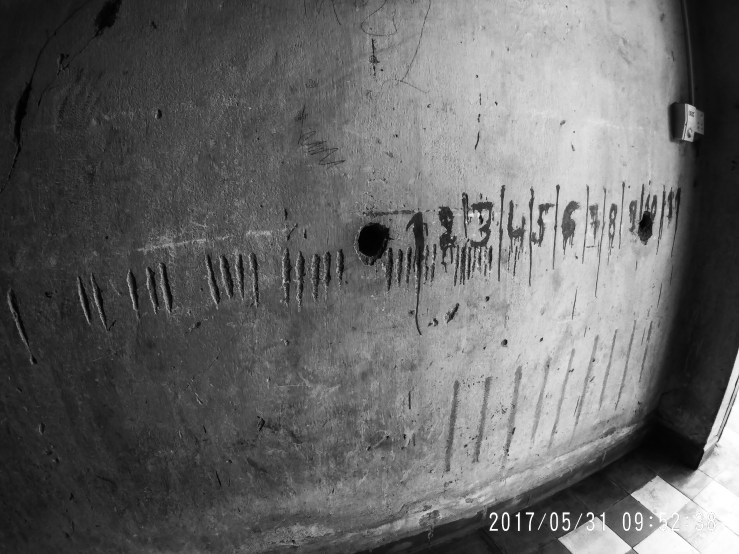
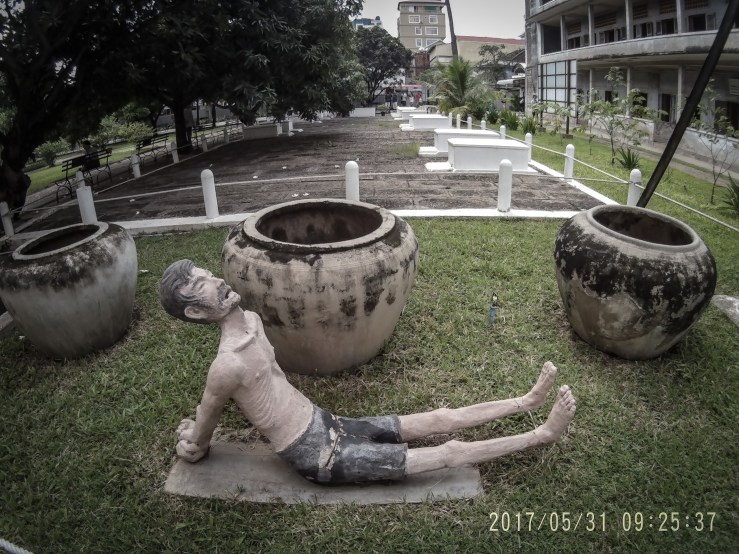
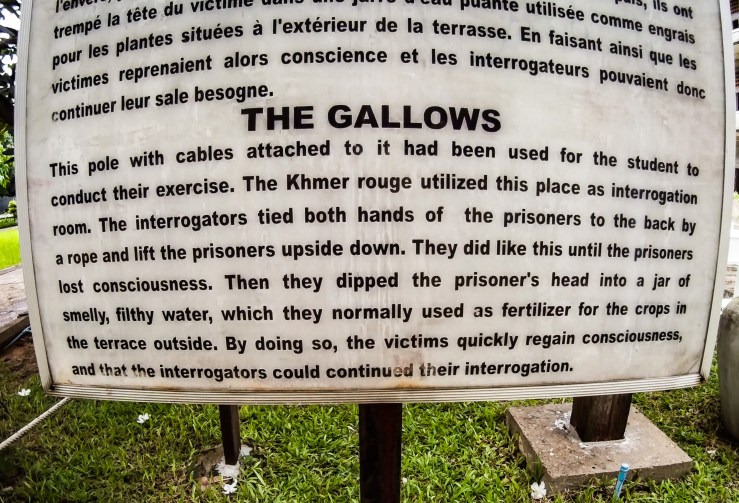
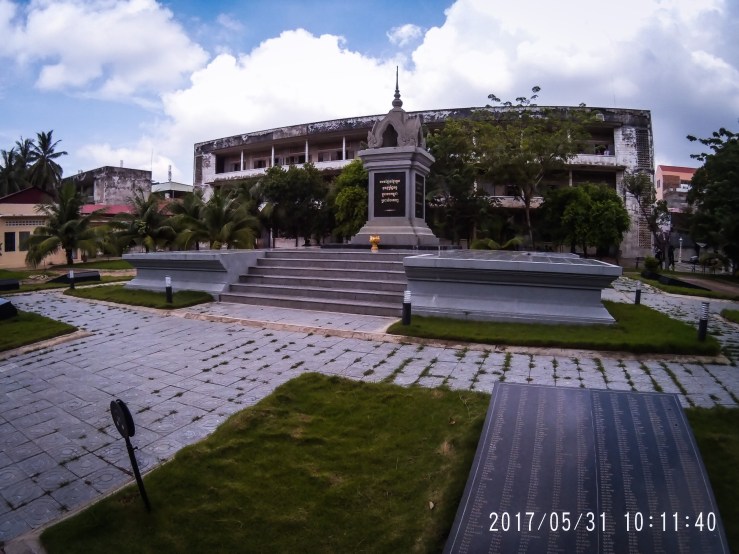
A glimpse of the compound, hallways and the facilities.
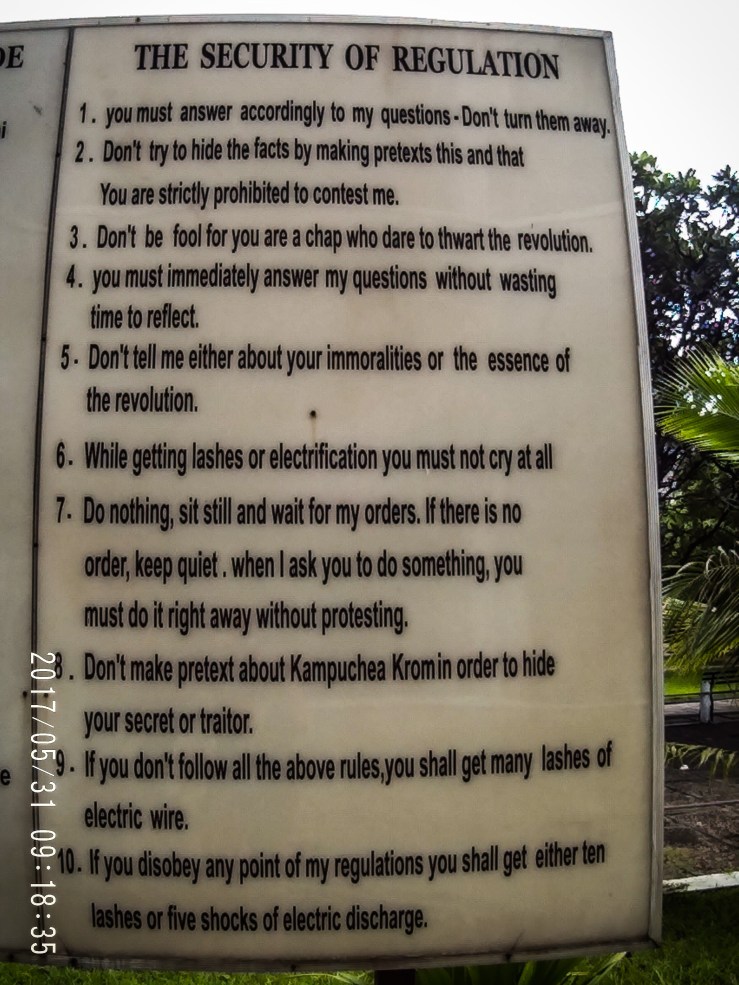
Now, let’s take a look at some of the torture equipment and portraits.
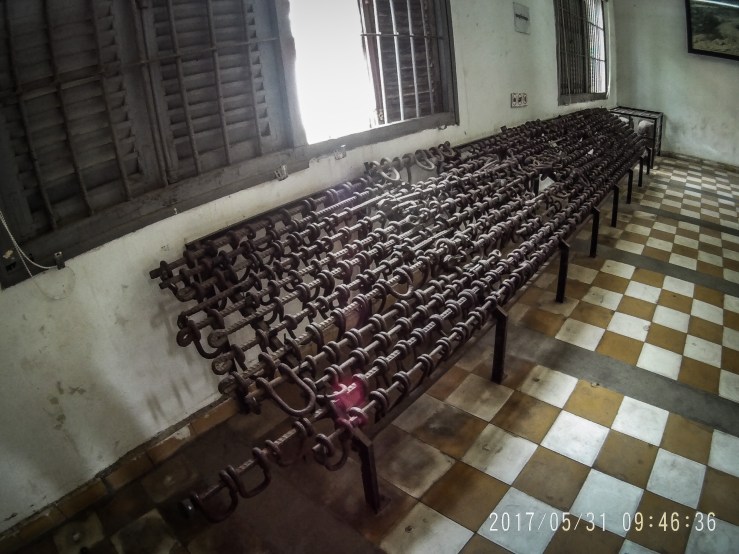

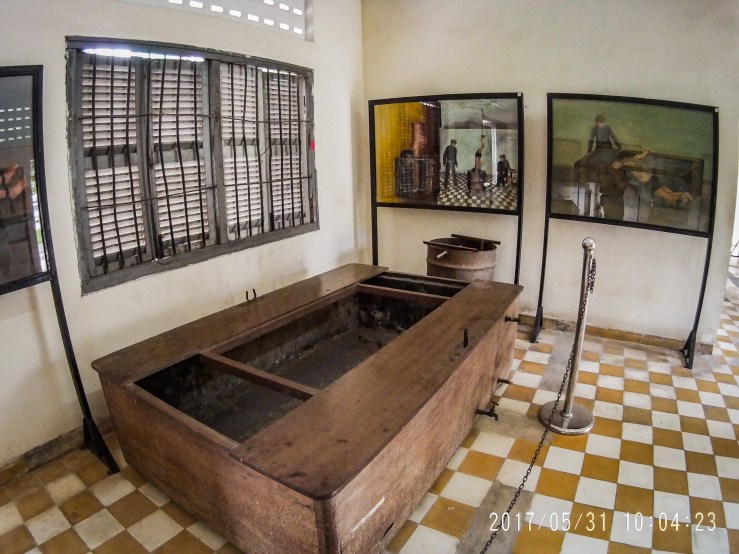
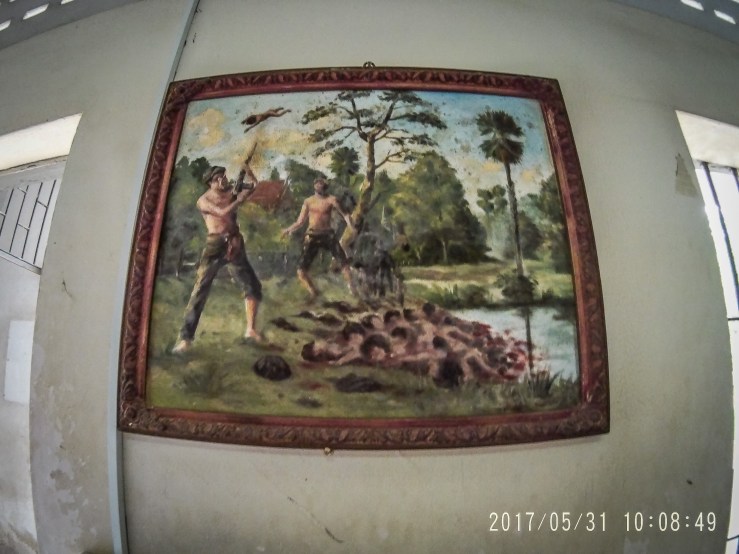
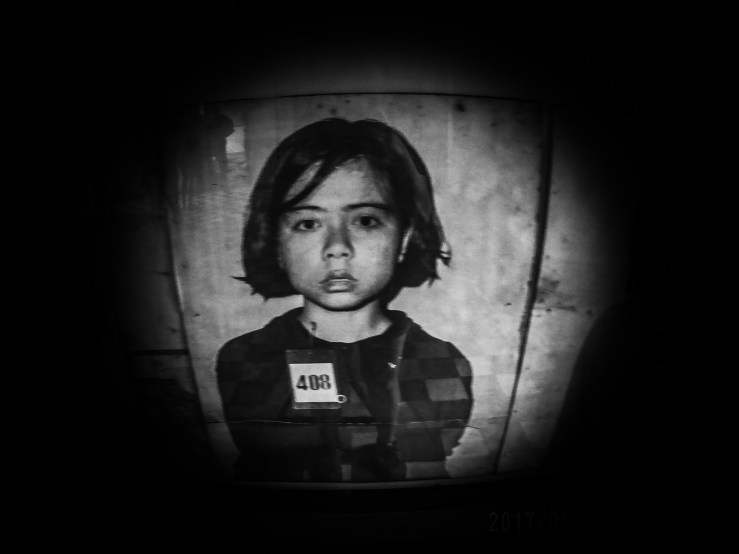
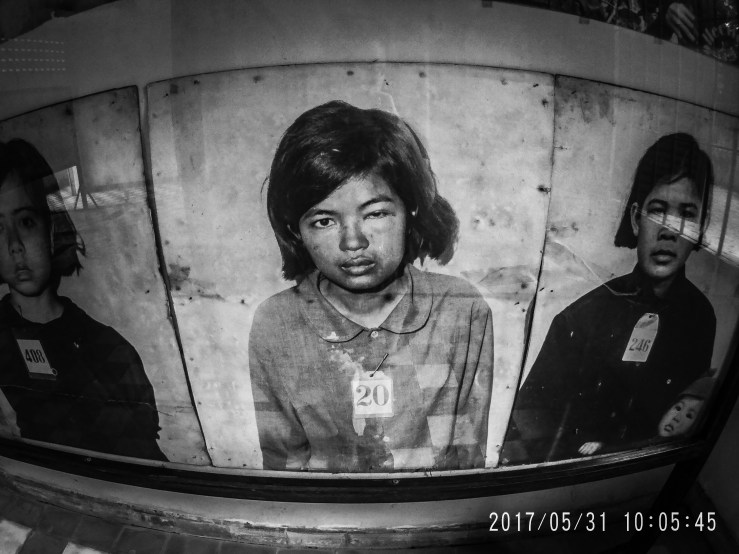
These films were developed from the negatives dug up after the Khmer Rouge. Many negatives were destroyed when Pol Pot’s Regime attempted to cover up who were tortured. They gave us the estimate number of victims that could be accounted for. Of course, till this date, we can never be sure how many victims were actually tortured. These victims were the ones whom impacted me. They were mostly so young, yes, even younger than you and me.
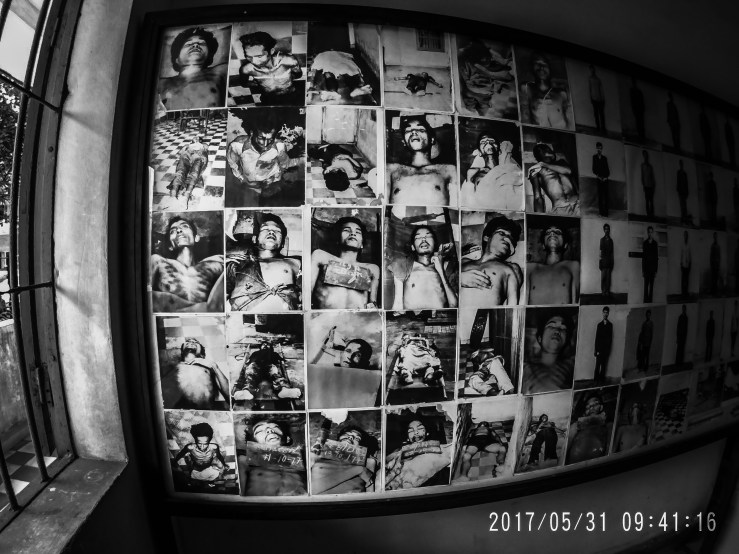
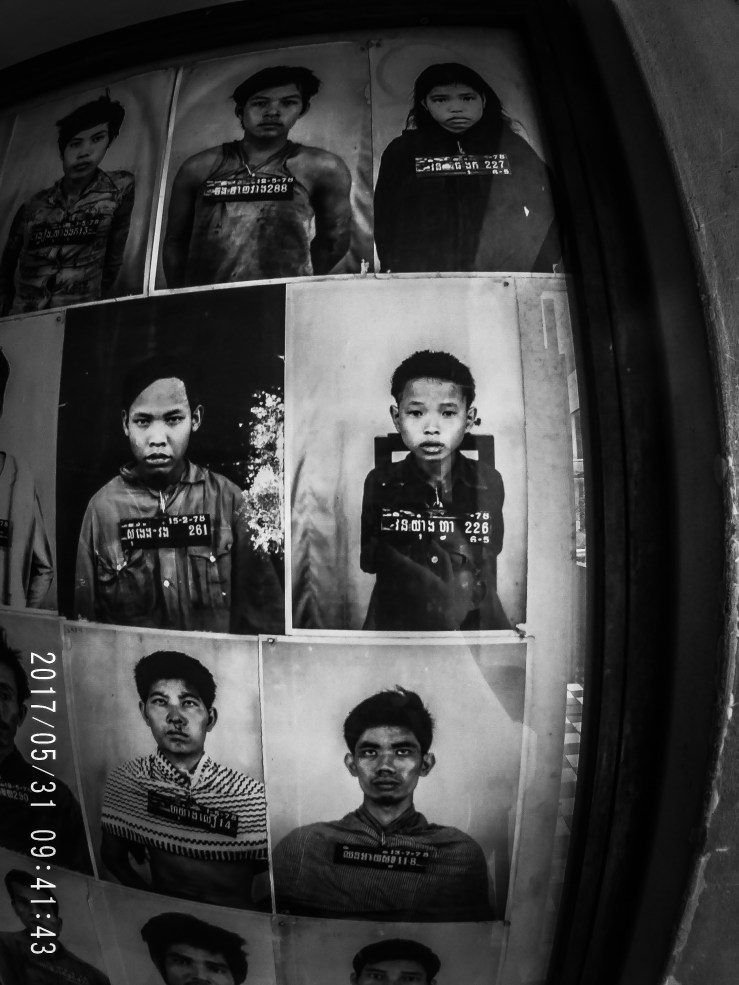
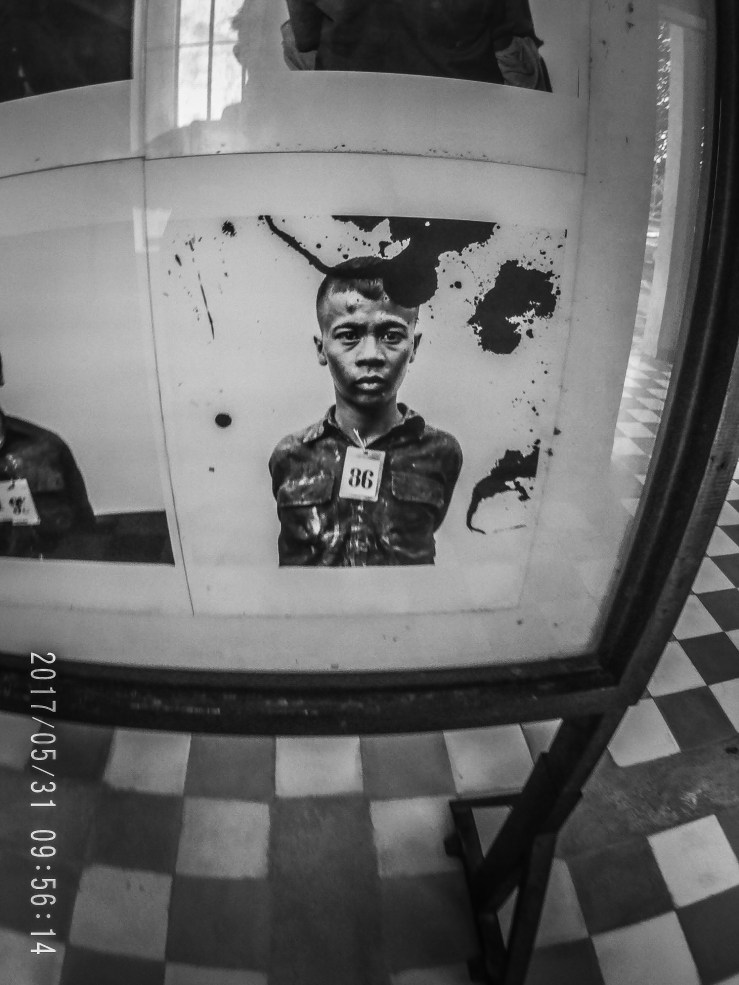
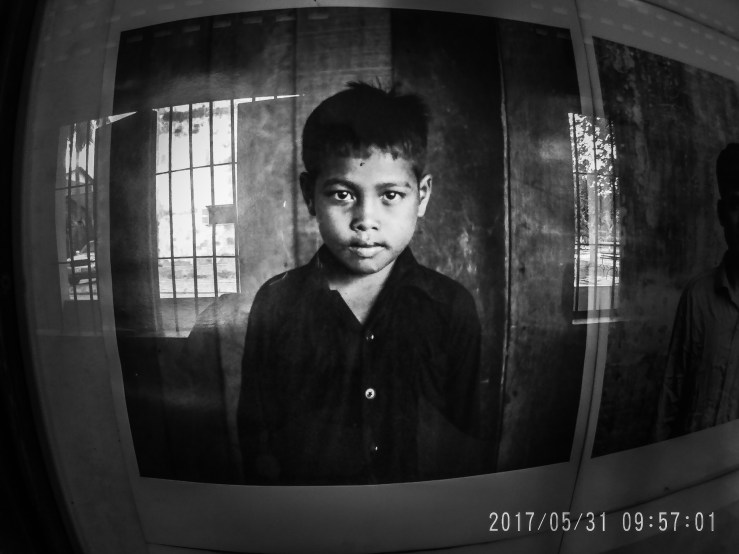
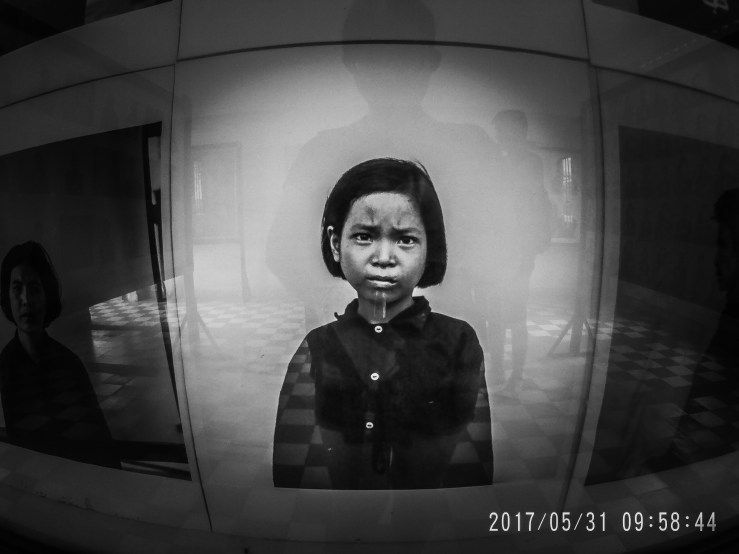
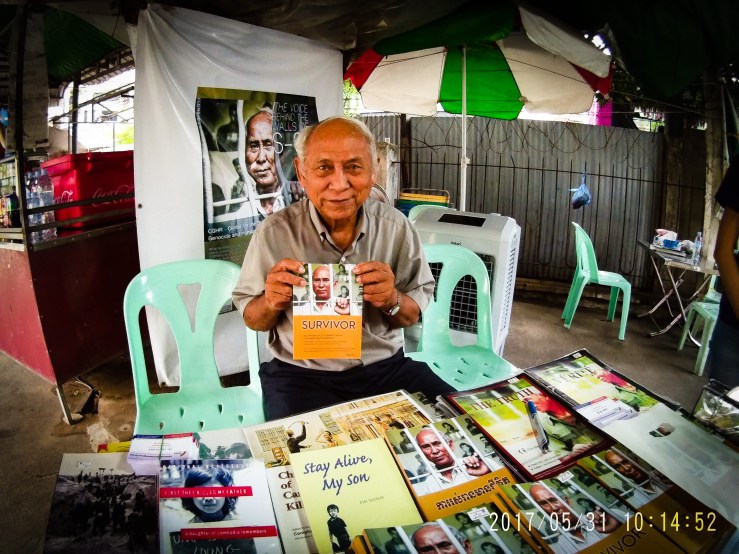
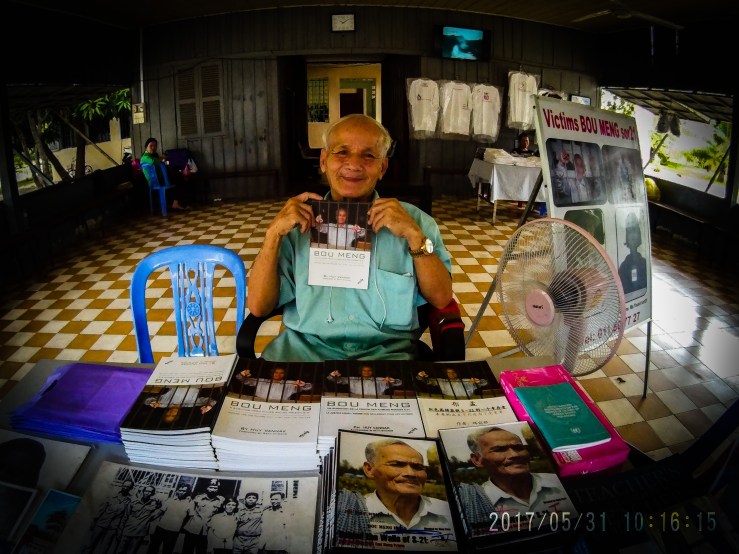
Today, the two living survivors of such monstrosity remains: Chum Mey and Bou Meng. They are here to tell you their survivor stories. I admire and respect their strength to recover from such an ordeal.
The Killing Field
So, part A of this post was pretty depressing. I know. Thank you for making it this far. Part B is not going to be any easier either. After witnessing the glimpse of all the horror that happened, I was already feeling shitty enough about life. My visit to The Killing Field was led by an audio guide, engulfed with many instances where I broke down and cry. I may be an emotional person; but trust me, no matter how “strong” you think you are, any sane person with a heart would have wept, silently or not.
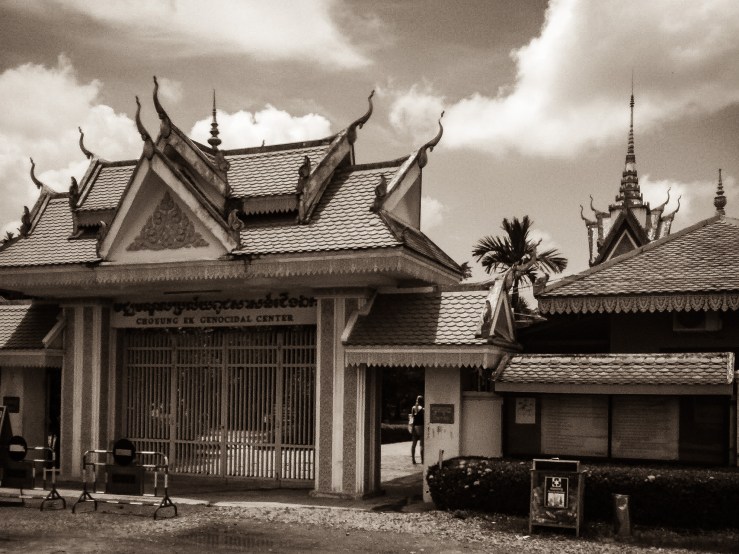
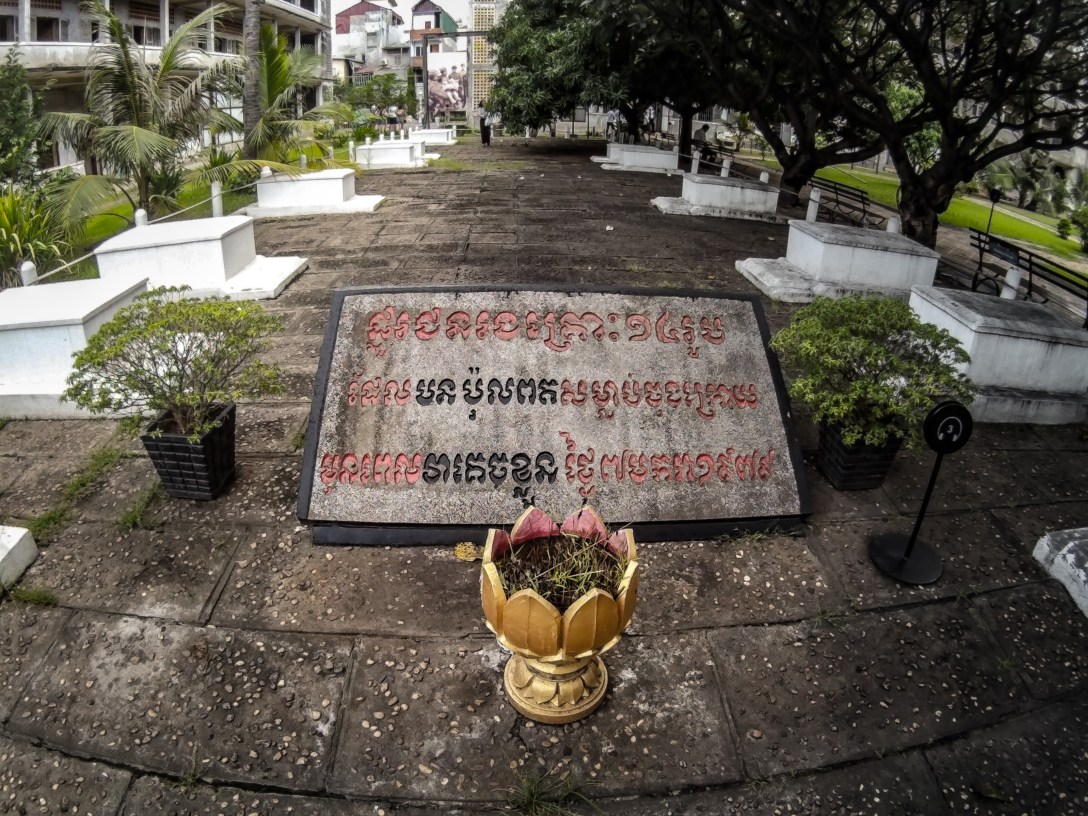
If you have watched the 1984 drama film titled “The Killing Fields”, all the gore and horror were true; minus the drama parts. The Killing Field is a dark, dark, place to digest. Essentially, it is the very location were millions of people: men, women, children and infants were massacred. It is also the mass burial grounds for these victims. And yes, it felt haunting walking through the whole area. Sincerely, I hope that these souls have found peace.

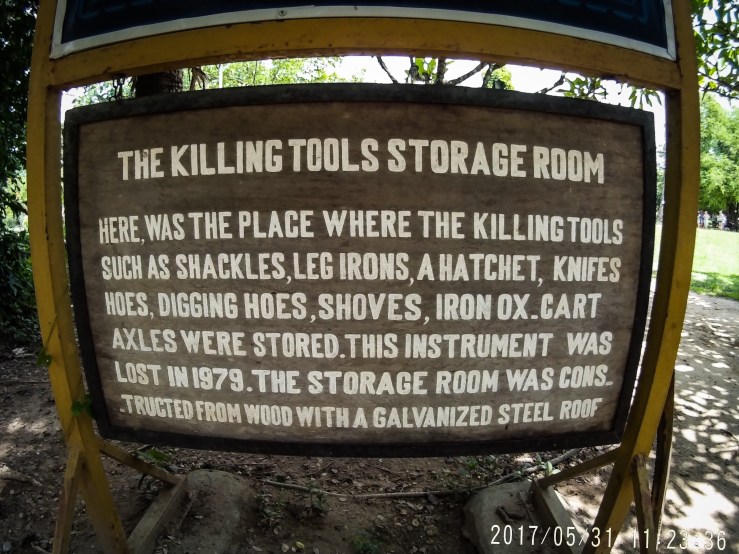

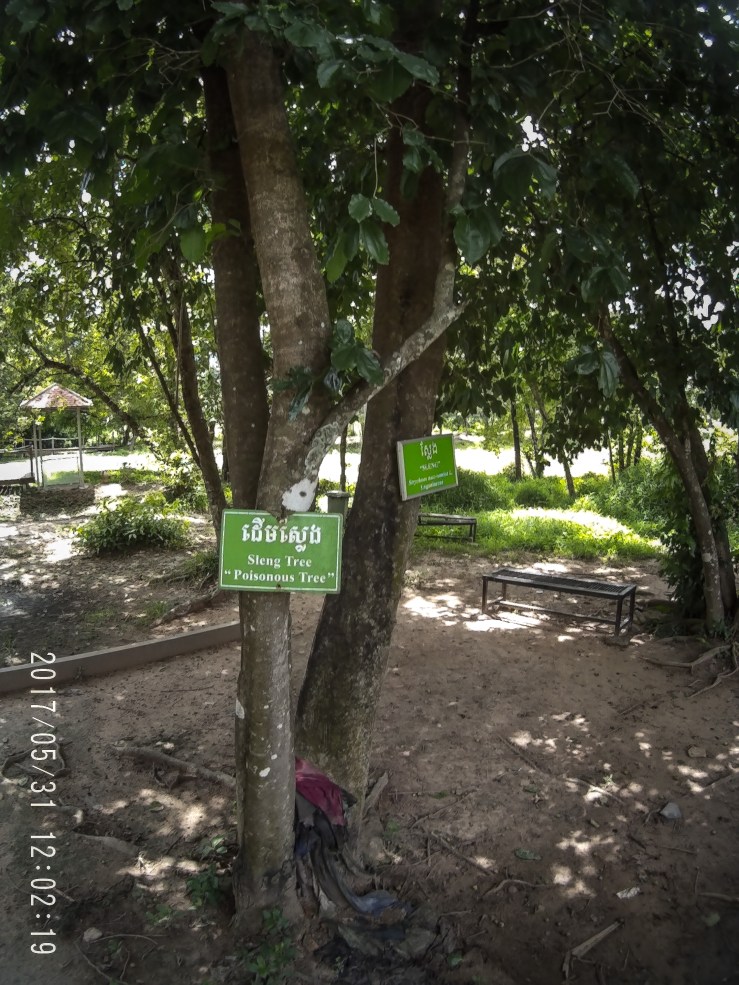
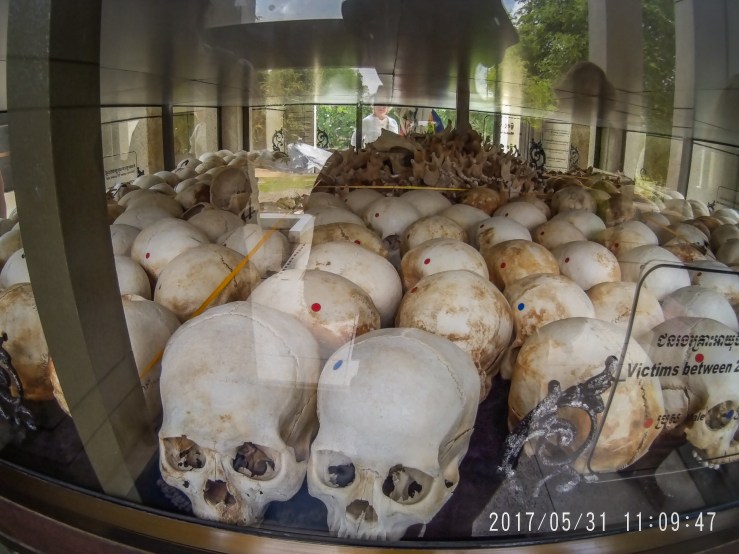
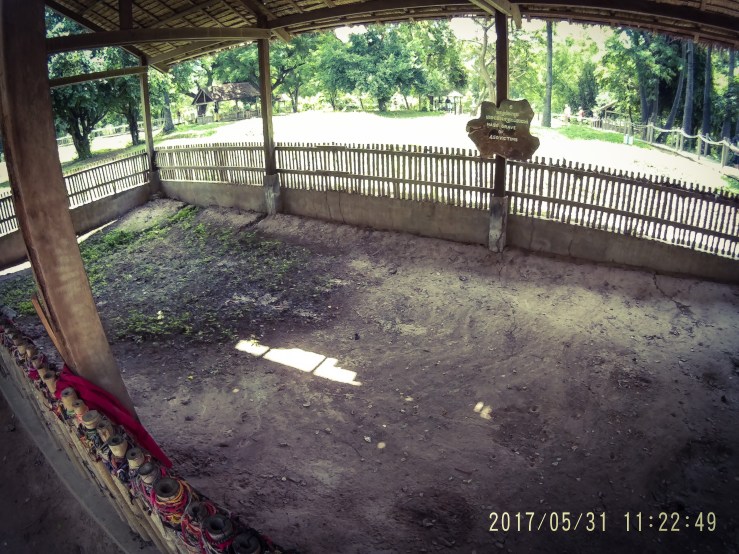
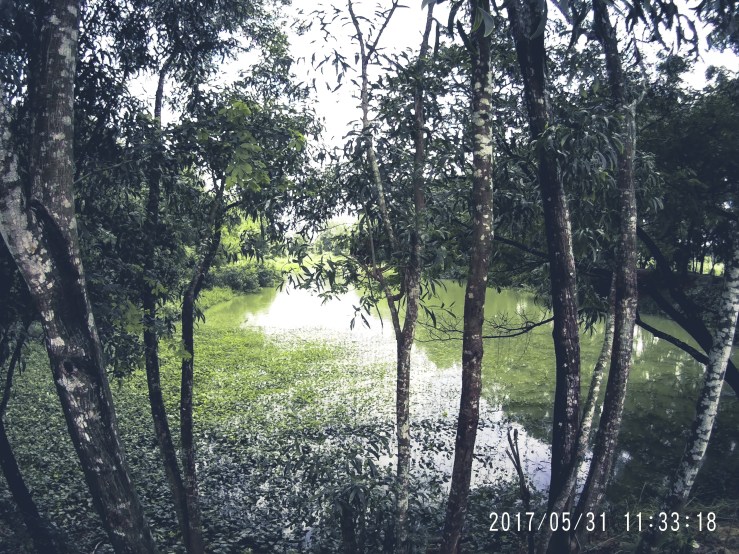


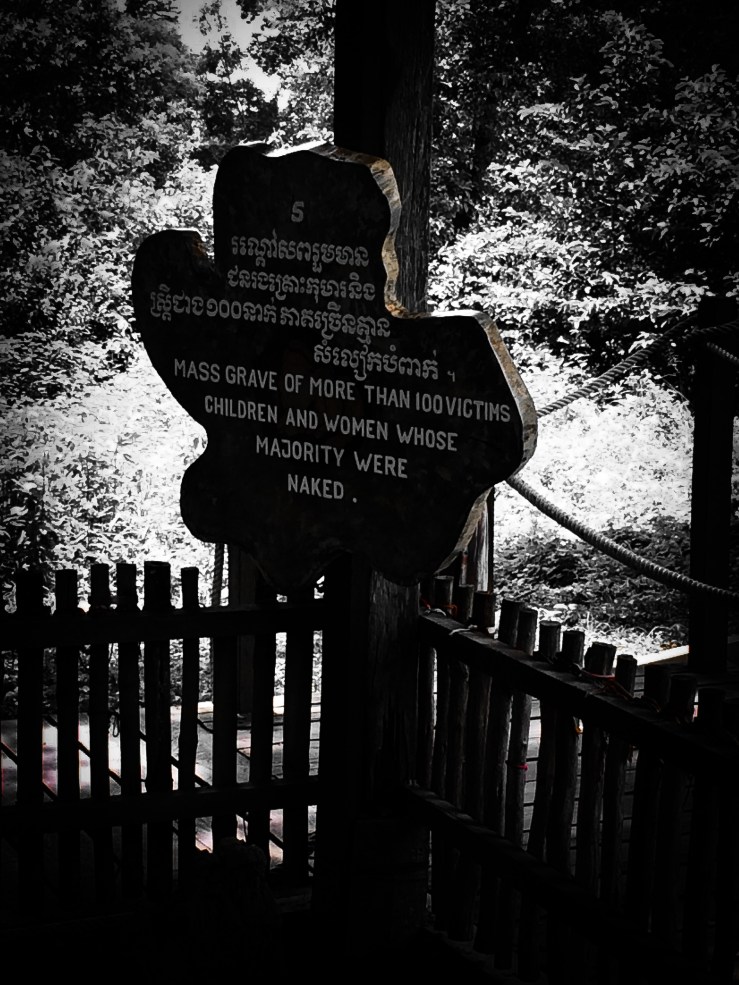
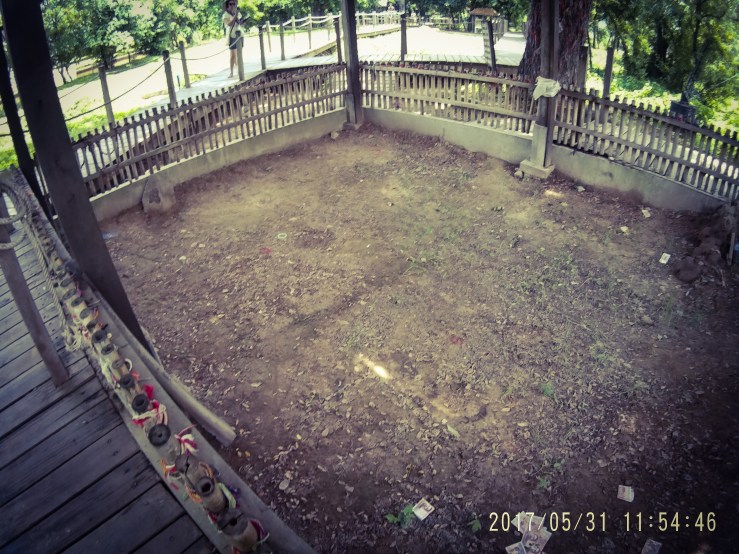

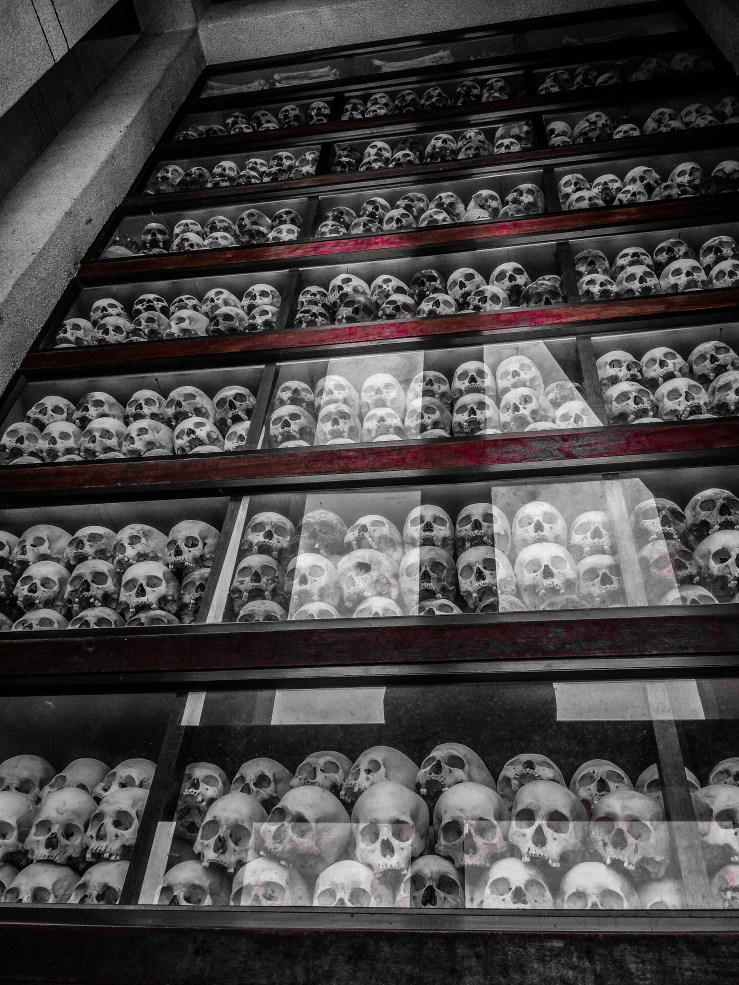

It was hard to fathom how could people do such things to human beings? Of course, I also understood that the soldiers who brought such pain to these people were forced to obey under Pol Pot’s rule. If they refused to the command, they die too. And these soldiers were merely sixteen or seventeen then. What was done was unforgivable, and Cambodia today, is still trying to recover.
In spite of recovery, the survivors and descendent of the local people that I have interacted with are strong, warm and welcoming. They live with love and forgiveness in their hearts. Whenever I think about pain that struck me, I realised that I never really knew true pain at all. That is why this trip changed my life.

I pray that all these victims find peace somehow.
 Hilary Travels